
Concrete Steps & Stairs
Custom concrete steps and stairways built for safety, durability, and curb appeal in Leavenworth.
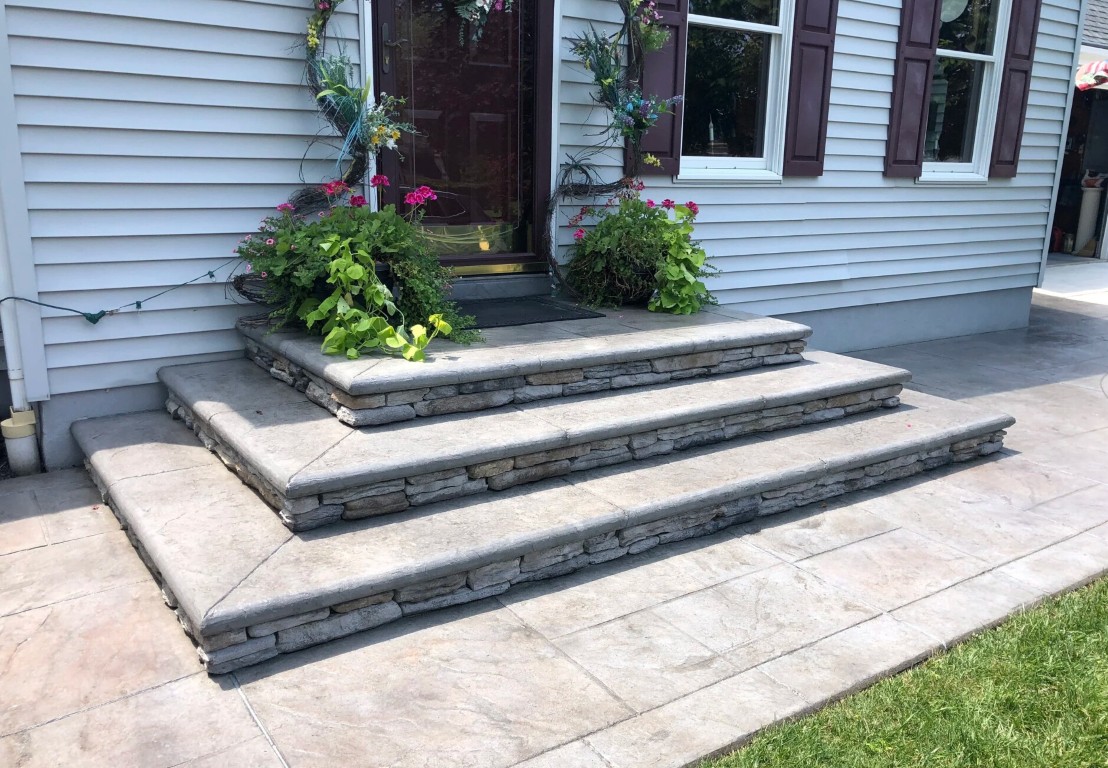
Building Safe and Attractive Entry Steps
Your front steps are one of the first things visitors see. They need to be safe, stable, and attractive. Concrete steps provide all three. Unlike wood that rots or brick that shifts, concrete steps stay solid and level for decades. They handle weather, heavy use, and require almost no maintenance.
In Leavenworth, where we get rain, snow, and ice, having safe steps is especially important. Concrete can be textured for traction, sized to code requirements, and designed to shed water instead of becoming slippery. We build steps that look great and keep you safe year-round.
We install all types of concrete steps and stairs, from simple front entry steps to elaborate outdoor stairways with landings and railings. Whether you need three steps to your front door or a full staircase connecting different yard levels, we design and build it right. This is part of the quality concrete work we provide throughout Leavenworth.
Types of Concrete Steps We Build
Different situations call for different step designs. We build everything from basic utility steps to custom decorative staircases that become focal points of your property.
Entry and Porch Steps
Front entry steps need to be wide enough for comfortable use, usually 4 to 5 feet minimum. We build them to code requirements for riser height and tread depth. Proper proportions make steps comfortable and safe to use. We also design in a slight slope on each tread so water drains off instead of pooling and freezing.
Backyard and Deck Stairs
Steps from your back door to the yard or from a deck to ground level need solid footings and proper drainage. We build concrete stairs that connect to wood decks, patios, or grade-level yards. These stairs can be simple and functional or include decorative elements like borders and textured finishes.
Garden and Slope Stairs
Steps through sloped yards or gardens create accessible paths and define spaces. We can build straight runs or stairs that curve to follow your landscape. These might include landings for longer runs or integrate with retaining walls and planters. The stairs become part of the overall landscape design.
What Makes Quality Concrete Steps
- Proper footings below frost line to prevent movement and cracking
- Correct riser height and tread depth for safe, comfortable use
- Steel reinforcement for long-term structural integrity
- Textured or broomed finish for slip resistance
- Slight pitch on treads to shed water
- Sealed edges where steps meet buildings to prevent water infiltration
We also coordinate with railings when required. Steps over 30 inches tall need handrails by code. We can build concrete walls as railings or provide mounting for metal or wood rails. For complete outdoor access solutions, we also build sidewalks and walkways that connect to your steps.
Design Options and Finishes
Concrete steps do not have to be plain and boring. You have options to create steps that enhance your home's appearance while providing safe, durable access.
Standard and Decorative Finishes
A broom finish provides good traction and is the most economical choice. Exposed aggregate adds texture and visual interest while maintaining slip resistance. For a more decorative look, we can apply color to the concrete, create borders in contrasting colors, or add saw-cut patterns.
Stamped concrete creates the appearance of stone, slate, or brick at a fraction of the cost of those materials. This works especially well for entry steps where appearance matters. The stamped texture also provides excellent traction. Check out our stamped and decorative concrete services for more options.
Shape and Layout Options
Steps can be straight, flared wider at the bottom, curved, or even circular. Flared steps feel more welcoming and provide easier approach angles. Curved steps create an elegant look but cost more due to complex forming. We help you choose a design that fits your home style and budget.
Landings between stair runs provide resting spots and are required by code for longer stairways. We incorporate landings into the design where needed, sizing them appropriately for the door or area they serve. Landings also make carrying items up and down stairs easier and safer.
Common Questions About Concrete Steps
Here are answers to questions we hear most often about concrete steps and stairs in Leavenworth.
What are the code requirements for concrete steps?
Building codes specify maximum riser height and minimum tread depth to ensure steps are safe and comfortable to use. Typically, risers should be no more than 7 to 8 inches tall, and treads should be at least 10 to 11 inches deep. All risers in a stairway must be the same height, and all treads the same depth.
Steps with more than three risers usually require handrails. The handrail must be between 34 and 38 inches above the nose of the steps. Steps must also have adequate lighting if used at night. These requirements exist to prevent falls and injuries.
We build all our steps to code and obtain permits when required. During the design phase, we discuss your needs and create a plan that meets both code requirements and your aesthetic preferences. Following code is not just about passing inspection, it is about creating steps that are safe for you and your family to use every day.
Can you replace just the steps without affecting my foundation?
Yes, in most cases we can remove and replace old steps without impacting your foundation. We carefully demolish the existing steps, keeping the removal contained to just the stair structure. If the steps are attached to the foundation, we make clean cuts to separate them without damaging the foundation wall.
The new steps will have their own footing that goes down to stable soil below the frost line. We do not rely on the building foundation to support the steps. This independent footing prevents the steps from settling or pulling away from the house over time.
We also pay close attention to how the new steps connect to doorways and landings. Proper flashing and sealing prevents water from getting between the steps and the building. This protects both the concrete and your foundation from water damage. For other foundation work, we also provide complete foundation services.
How long do concrete steps last?
Properly built concrete steps should last 30 to 50 years or more with minimal maintenance. The key factors are proper footings, adequate reinforcement, and quality concrete mix. Steps that settle or crack usually have footing problems, not issues with the concrete itself.
Regular maintenance extends step life. Sealing concrete every few years protects against water penetration and freeze-thaw damage. Fixing small cracks promptly prevents them from spreading. Keeping ice melt chemicals to a minimum helps too, as some deicing salts can damage concrete surfaces over time.
Even with proper care, very old steps eventually need replacement. Surface spalling, deep cracks, or significant settling indicate it is time for new steps. When we rebuild steps, we address any issues that caused the originals to fail and build them to last another generation.