Concrete Slab & Foundation Work
Expert foundation and slab installation for new construction and additions in Leavenworth.
Building on Solid Ground
Your foundation is literally what holds up your entire building. Whether you are building a new home, adding a garage, or constructing a shop, the slab or foundation has to be done right the first time. There is no fixing foundation problems cheaply after the building goes up.
In the Leavenworth area, we deal with varied soil conditions, seasonal moisture changes, and freezing temperatures. These factors all affect how we design and build foundations. A slab that works great in California might crack and fail here if the builder does not account for our specific conditions.
We have poured hundreds of slabs and foundations throughout Leavenworth and the surrounding area. We know the local soil types, understand the frost depth requirements, and follow all the building codes. When we pour your foundation, you can trust it will support your building for the life of the structure. This is the same quality we bring to every concrete project we complete.
Types of Concrete Foundations We Build
Different buildings need different foundation systems. The right choice depends on your soil conditions, building size, local frost depth, and budget. Here are the main types of concrete foundations we install.
Slab on Grade Foundations
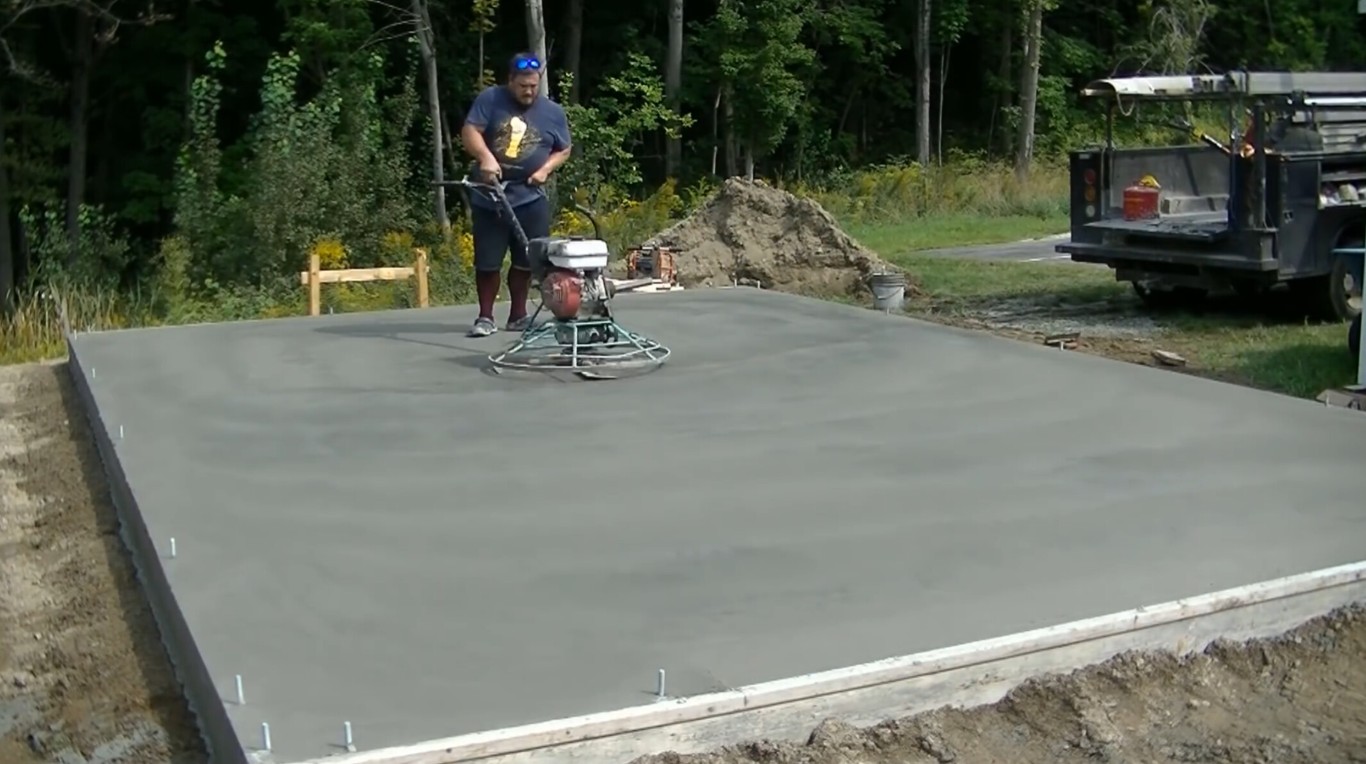
This is the most common and affordable foundation type. We pour a single thick slab of concrete directly on prepared ground. The edges are thickened to bear the weight of exterior walls. Slab on grade works great for garages, shops, and single-story homes on stable soil. It is also the fastest type of foundation to build.
Stem Wall Foundations
A stem wall foundation has a concrete footing below ground and a short concrete wall that extends above ground level. The floor slab sits on top of the stem wall. This design works well on sloped sites or where you need a crawl space. It also provides better protection from moisture and allows for better insulation.
Footing and Foundation Walls
Full foundation walls sit on footings that extend below the frost line. The walls support the building and create a basement or crawl space underneath. We form and pour these walls to exact specifications, with proper reinforcement and waterproofing. This system costs more but gives you usable space below the main floor.
What Goes Into Quality Foundation Work
- Site evaluation and soil testing to understand what we are building on
- Proper excavation to the right depth, accounting for frost line and drainage
- Compacted gravel base for stability and drainage
- Moisture barrier to prevent water wicking up through the concrete
- Steel reinforcement sized and placed according to engineering specifications
- Quality concrete mix appropriate for foundation work
- Proper curing and protection during the critical first days
We coordinate with your builder or general contractor to make sure the foundation is ready when needed. Foundation work is usually one of the first tasks in new construction, so timing matters. We show up when scheduled and get the job done right.
Why Foundation Quality Matters
Foundation problems are expensive to fix. We are talking tens of thousands of dollars if you have to lift a building and repair a failing foundation. That is why getting it right the first time is so important. Good foundation work costs a bit more upfront, but it saves you from massive problems later.
Common Foundation Problems We Prevent
Most foundation failures come from poor drainage, inadequate reinforcement, or shortcuts in the base preparation. Water is the enemy of foundations. If water pools around the foundation or freezes under the slab, you get cracking, settling, and structural damage.
We design proper drainage into every foundation we build. The site slopes away from the building, we install gravel for subsurface drainage, and we make sure gutters and downspouts direct water away. These details prevent water problems before they start.
Reinforcement is the other critical factor. Concrete is strong in compression but weak in tension. Steel rebar gives concrete the tensile strength it needs. We follow engineering specifications for rebar size, spacing, and placement. This is not an area where you want to cut corners.
If you need help with existing foundation issues like cracks or settling, our concrete repair and replacement services can assess the damage and recommend solutions. But prevention through quality installation is always better than repair.
Common Questions About Foundation Work
Here are answers to questions we hear regularly about concrete slabs and foundation work in the Leavenworth area.
How thick does a concrete slab need to be?
For residential garage slabs and shop floors, we typically pour 4 to 6 inches thick. A house slab might be 4 inches in the middle with thickened edges of 12 to 18 inches where the walls sit. The exact thickness depends on the soil bearing capacity and what loads the slab needs to support.
Commercial and industrial slabs often need to be thicker, sometimes 6 to 8 inches or more. If you will be parking heavy equipment or storing dense materials, we design the slab thickness accordingly. We also add extra steel reinforcement for these heavier-duty applications.
Building codes set minimum requirements, but we often go thicker than the minimum. The cost difference is small, and a thicker slab gives you extra durability and peace of mind. We discuss the right thickness for your specific project during the planning stage.
What is the frost line and why does it matter?
The frost line is the depth below ground where soil freezes in winter. In our area, that is typically 18 to 24 inches deep. When soil freezes, it expands. If your foundation footings sit above the frost line, the freezing soil can push them up and cause major structural damage.
That is why building codes require footings to extend below the frost line. For full foundation walls, we dig down past that depth before pouring footings. This protects your building from frost heave and keeps everything stable through freeze-thaw cycles.
Slab on grade foundations work differently. The slab sits on the surface, but the thickened edges or perimeter footings go below frost depth. We insulate around the slab edges to protect against freezing. This keeps the slab stable even in cold weather.
How long does foundation work take?
A simple garage slab usually takes 3 to 5 days from excavation to finished concrete. We spend 1 to 2 days on site prep and base work, then another day to form, pour, and finish the concrete. After that, the concrete needs to cure before you can build on it.
Full foundation walls take longer, typically 1 to 2 weeks. We pour the footings first, let them cure for a few days, then form and pour the walls. If you need a basement floor slab too, that is another pour after the walls are done.
Weather affects timing. We cannot pour concrete if it is going to freeze, and extreme heat requires special precautions. We schedule your foundation work when conditions are right. After pouring, you usually need to wait at least 7 days before the concrete is strong enough to support framing. We time everything to keep your project moving forward. For other foundation services, we also handle commercial concrete work with similar attention to scheduling and quality.