Concrete Repair & Replacement
Expert repair services to fix damaged concrete and extend the life of your existing surfaces in Leavenworth.
When to Repair vs Replace Concrete
Not all concrete damage means you need to tear everything out and start over. Many problems can be repaired for a fraction of the cost of replacement. The key is knowing which approach makes sense for your situation. We help you make that decision based on the actual condition of your concrete, not what costs us more money.
Minor cracks, surface scaling, and small areas of damage are usually good candidates for repair. If most of the concrete is still solid and the problems are isolated, repair is the smart choice. You save money and time, and you can often get several more years of life from the surface.
Major structural damage, widespread cracking, or severe settling usually means replacement makes more sense. When more than 30 or 40 percent of the surface is damaged, or when the base underneath has failed, repairs become a band-aid that will not last. In those cases, we recommend replacement so you get a permanent fix. We provide the same quality on repairs that we do on all our concrete work in Leavenworth.
Common Concrete Problems We Fix
Concrete can develop various issues over time, especially in our climate with freeze-thaw cycles and temperature changes. Here are the most common problems we see and how we fix them.
Cracks
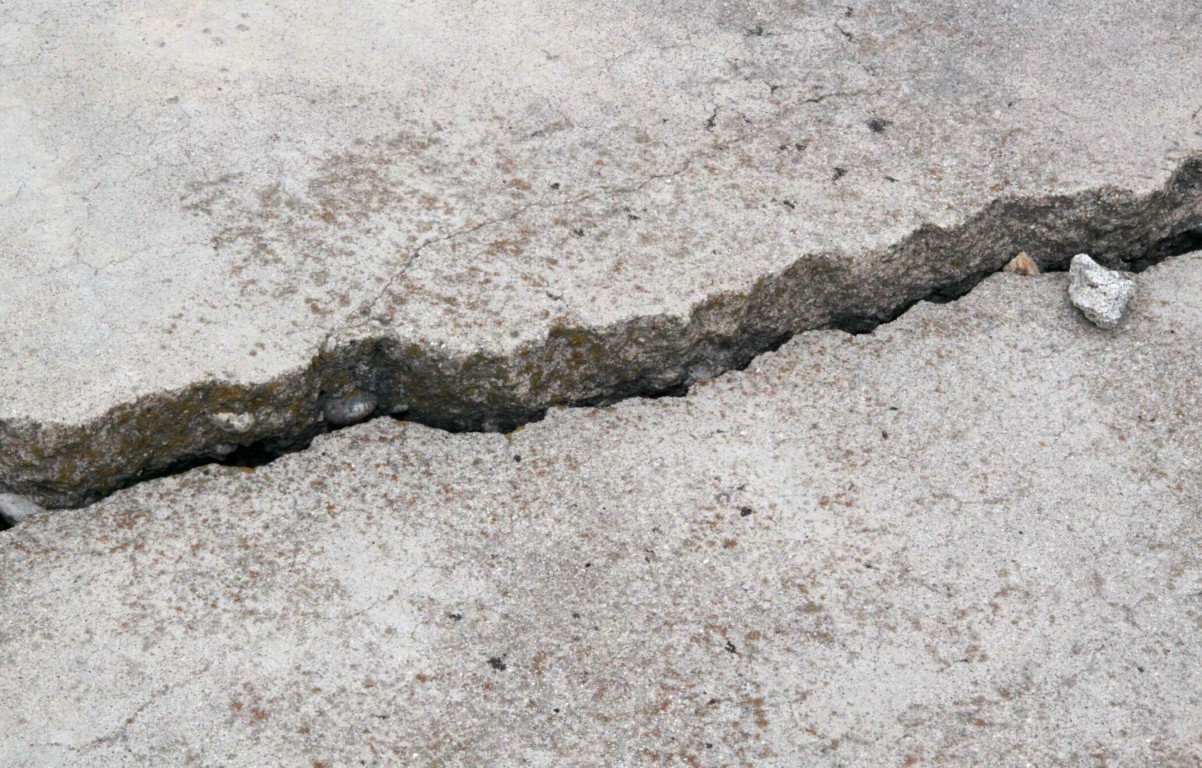
Hairline cracks are normal and usually do not need repair unless they are letting water through. Wider cracks need attention. We clean out the crack, fill it with flexible repair material, and seal the surface to prevent water infiltration. For structural cracks that indicate bigger problems, we determine the cause before recommending a solution.
Spalling and Scaling
Spalling is when the surface of concrete flakes, chips, or breaks away. This often happens from freeze-thaw damage when water gets into the concrete and expands as it freezes. We remove the damaged surface layer, clean and prepare the base, then apply a bonding agent and new concrete topping. This restores the surface and prevents further deterioration.
Sinking or Settling
When concrete slabs sink or settle unevenly, it creates trip hazards and drainage problems. This happens when the soil underneath compacts or washes away. We can raise and level sunken slabs using specialized lifting techniques. For severe settling, replacement with proper base preparation might be necessary.
What We Look for During Inspection
- Type and extent of cracks - hairline, structural, or pattern cracking
- Surface condition including spalling, scaling, or discoloration
- Level and grade to identify settling or heaving
- Drainage issues that might be causing or worsening damage
- Condition of joints and control cuts
- Signs of underlying soil or base problems
We provide honest assessments of your concrete condition. If a repair will only last a year or two, we tell you that upfront so you can make an informed decision about whether to repair or replace.
Our Repair and Replacement Process
Whether we are doing a repair or full replacement, the process is systematic and thorough. We do not take shortcuts because repairs are smaller jobs. Quality work matters just as much on a patch as it does on a new installation.
Repair Approach
For repairs, we start by removing all damaged or loose concrete down to solid material. Then we clean the area thoroughly, removing dust and debris that would prevent good bonding. We apply bonding agents that help new concrete stick to old. The repair material itself is carefully selected to match the existing concrete in strength and appearance.
We shape and finish the repair to blend with surrounding concrete. Color matching is important for visible areas, so we use tinted repair materials or apply coatings to make the repair less noticeable. Finally, we seal the entire area to protect against future water infiltration.
Replacement Approach
When replacement is needed, we remove the old concrete completely. This lets us examine and fix any base or drainage problems that caused the original failure. We rebuild the base properly, then install new concrete using the same quality standards as any new project.
Replacement is more expensive upfront but gives you a complete solution that should last 25 to 30 years or more. This is the same approach we use for new driveway installations and other concrete work. You get the same warranty and quality regardless of project size.
Common Questions About Concrete Repair
Here are the questions we get asked most about concrete repair and replacement in the Leavenworth area.
How much does concrete repair cost compared to replacement?
Repair costs vary widely depending on what needs fixing. Simple crack filling might run $200 to $500. Resurfacing a damaged area costs $3 to $8 per square foot. Leveling a sunken slab section costs $500 to $1,500 depending on size and access.
Full replacement typically costs $8 to $15 per square foot installed, similar to new concrete. So replacing a 10 by 20 foot driveway section would run $1,600 to $3,000. If your damage is limited to a small area, repair clearly costs less. But if you need to repair multiple areas, replacement might not cost much more.
We always provide estimates for both options when feasible. This lets you see the cost difference and expected lifespan of each approach. Sometimes spending a bit more for replacement makes sense because it eliminates ongoing repair costs.
Will repaired areas look different from the rest of my concrete?
Repairs often show to some degree, especially on newer concrete. New concrete is lighter in color and darkens over time as it ages and gets stained. A fresh repair on old concrete will look lighter until it weathers. This is just the nature of concrete.
We minimize the visibility of repairs by color-matching the repair materials as closely as possible. We can also apply stains or sealers to the entire surface to even out the appearance. For decorative or highly visible areas, we discuss options like resurfacing the whole area or applying a decorative concrete overlay to create a uniform appearance.
The bigger question is function versus appearance. A repair that shows a bit but fixes the problem and stops further damage is still worth doing. Most homeowners find that repairs blend in more than expected once they weather for a few months.
How long do concrete repairs last?
The lifespan of a repair depends on what caused the original damage and whether that cause has been addressed. If we fix a crack but water still pools in that area, the crack will likely return. But if we fix both the crack and the drainage problem, the repair can last many years.
Quality repairs using proper materials and techniques typically last 5 to 10 years or more. Surface repairs like patching spalling or resurfacing can last even longer if the underlying concrete is sound. Crack repairs vary the most because it depends on whether the concrete is still moving or settling.
This is why we focus on identifying and fixing the root cause, not just the symptoms. A repair that addresses the underlying problem will last much longer than one that just covers up damage. We explain what is causing your concrete problems and what we can do to prevent recurrence.